Author: admin

  • How Knowledge Builds Innovation

    How Knowledge Builds Innovation

    Innovation is often described as the ability to create something new, but behind almost every successful innovation is a strong foundation of knowledge. New ideas rarely appear from nowhere. They are usually built by people who understand existing problems, study what has already been discovered, and use that knowledge to imagine better possibilities.

    Knowledge gives people the tools to question, experiment, solve problems, and connect ideas in unexpected ways. Whether innovation happens in science, technology, education, business, or everyday life, learning provides the foundation that allows creative thinking to become practical progress.

    Knowledge Helps Identify Real Problems

    Innovation often begins with recognizing a problem that needs to be solved.

    A person with knowledge about a particular field may notice challenges that others overlook.

    For example, someone who understands how a system works may quickly recognize where it is inefficient or difficult to use.

    This understanding creates opportunities for improvement.

    Without knowledge, people may see only the problem. With knowledge, they can begin to understand its causes and consider possible solutions.

    Learning Creates Better Ideas

    Ideas become stronger when they are supported by information and experience.

    A person who continues learning can draw from a wider range of knowledge when developing new concepts.

    For example, an engineer who understands materials, design, and technology can combine these areas to create a more effective product.

    The more people learn, the more connections they can make between different ideas.

    Innovation often happens when knowledge from separate fields comes together in a new way.

    Knowledge Encourages Experimentation

    Innovation requires testing.

    An idea may seem promising, but experimentation is necessary to discover whether it actually works.

    Knowledge helps people design better experiments and understand the results.

    When something fails, knowledgeable individuals can analyze what happened and identify possible improvements.

    This creates a continuous cycle of learning and development.

    The process of testing, learning, and adjusting is essential for turning creative ideas into useful innovations.

    Education Supports Innovative Thinking

    Education provides people with foundational knowledge and encourages them to explore new possibilities.

    A strong educational environment does more than teach facts.

    It can encourage students to ask questions, solve problems, collaborate, and think independently.

    These skills are important for future innovators.

    When learners are encouraged to explore ideas instead of simply memorizing information, they may become more comfortable with creativity and experimentation.

    This can help prepare them to contribute to innovation throughout their lives.

    Innovation Connects Different Fields

    Some of the most interesting innovations emerge when knowledge from different disciplines is combined.

    Technology can be connected with healthcare. Design can improve education. Data analysis can support environmental research.

    People who explore multiple subjects may be more likely to discover these connections.

    A broad knowledge base allows individuals to look at challenges from different angles.

    This can lead to solutions that would not be obvious when a problem is viewed from only one perspective.

    Knowledge Helps People Make Better Decisions

    Innovation involves uncertainty.

    Not every new idea will succeed, and resources are often limited.

    Knowledge helps innovators make informed decisions about where to invest time, money, and effort.

    Understanding markets, customer needs, technical limitations, and potential risks can improve the chances of success.

    This does not eliminate uncertainty, but it allows people to manage it more thoughtfully.

    Good innovation combines creativity with informed decision-making.

    Learning From Failure

    Failure is often part of the innovation process.

    A new product may not work as expected. An experiment may produce unexpected results. A business idea may need to be redesigned.

    Knowledge helps people learn from these experiences.

    Instead of seeing failure as the end, innovators can analyze what happened and use the information to improve.

    Every unsuccessful attempt can reveal something valuable.

    Over time, these lessons can contribute to a stronger and more effective solution.

    Technology Makes Knowledge More Accessible

    Modern technology has made it easier for people to access information and learn new skills.

    Online courses, digital libraries, educational platforms, and research databases allow individuals to explore subjects from almost anywhere.

    This accessibility can support innovation by giving more people the opportunity to learn.

    A person with an interesting idea may be able to research the topic, connect with experts, and develop new skills without needing access to traditional institutions.

    The easier it becomes to access reliable knowledge, the more opportunities there are for new ideas to emerge.

    Collaboration Expands Innovation

    Knowledge becomes even more powerful when it is shared.

    Teams made up of people with different skills can combine their expertise to solve complex problems.

    One person may understand technology, another may understand design, and someone else may understand customer needs.

    Together, they can create a more complete solution.

    Collaboration also encourages people to challenge each other’s assumptions.

    This exchange of ideas can lead to discoveries that may not have happened through individual work alone.

    Lifelong Learning Keeps Innovation Moving

    Innovation does not stop after a product is created or a problem is solved.

    New challenges continue to appear, and existing solutions often need improvement.

    Lifelong learning helps people stay prepared for change.

    By continuing to develop their knowledge, individuals can adapt to emerging technologies, changing industries, and new opportunities.

    A culture of continuous learning creates an environment where innovation can continue over time.

    Conclusion

    Knowledge builds innovation by providing the foundation for understanding problems, developing ideas, testing solutions, and making informed decisions.

    Creativity may inspire a new concept, but knowledge helps turn that concept into something practical and meaningful.

    The strongest innovations often come from people who are willing to keep learning, ask thoughtful questions, experiment with possibilities, and learn from both success and failure.

    Knowledge also becomes more powerful when it is shared. Collaboration allows individuals to combine different skills and perspectives, creating solutions that may be stronger than anything one person could develop alone.

    In a rapidly changing world, innovation will continue to play an important role in shaping the future.

    The ideas that solve tomorrow’s challenges may come from people who are learning today.

    Ultimately, knowledge and innovation are closely connected. Every new skill, discovery, and lesson adds another piece to the foundation from which future ideas can grow.

    When people remain curious and committed to learning, they do more than gain information. They develop the ability to imagine possibilities, solve meaningful problems, and create positive change.

    Innovation begins with an idea, but knowledge gives that idea the power to become reality.

  • How Technology Helps Protect Resources

    How Technology Helps Protect Resources

    The world depends on a wide range of natural resources, including water, energy, forests, minerals, and fertile land. These resources support everyday life, agriculture, industry, and economic development. However, growing populations and increasing consumption have created new challenges for protecting them. Fortunately, technology is helping people understand, manage, and use resources more responsibly .

    From smart energy systems to modern farming tools, technology offers practical ways to reduce waste and improve efficiency. While technology alone cannot solve every environmental challenge, it can provide valuable solutions that help individuals, businesses, and communities make better use of what the planet provides.

    Smart Technology Reduces Energy Waste

    Energy is one of the most important resources in modern society. Homes, offices, factories, and transportation systems all depend on it. Using energy inefficiently can lead to unnecessary consumption and increased environmental pressure.

    Smart technology can help reduce this waste. Smart meters allow people to monitor how much energy they use, while automated systems can adjust lighting, heating, and cooling according to actual needs.

    For example, smart lights can turn off when a room is empty. Smart thermostats can adjust temperatures based on occupancy and weather conditions. These small improvements can reduce unnecessary energy use while helping people understand their consumption habits.

    Technology Supports Renewable Energy

    Technology has also played an important role in the development of renewable energy. Solar panels, wind turbines, and other clean energy systems allow people to generate electricity from naturally replenished sources.

    Advancements in energy storage are also helping address one of the challenges associated with renewable energy. Better batteries can store electricity for later use, making renewable systems more practical in different situations.

    As these technologies continue to improve, they can help communities reduce their dependence on limited resources and move toward more sustainable energy systems.

    Smart Agriculture Protects Water and Soil

    Agriculture requires significant amounts of water and land. Technology is helping farmers use these resources more efficiently.

    Smart irrigation systems can deliver water where and when it is needed, reducing unnecessary use. Sensors can monitor soil conditions and help farmers understand when crops require water or nutrients.

    Modern farming technologies can also support precision agriculture, where data is used to make more informed decisions about planting, fertilizing, and harvesting. By using resources more carefully, farmers can improve productivity while reducing waste.

    These technologies are particularly valuable in areas where water is limited or environmental conditions are changing.

    Technology Helps Protect Water Resources

    Clean water is essential for life, yet water resources face pressure from pollution, waste, and increasing demand. Technology can help monitor and protect water supplies.

    Sensors can detect changes in water quality, while digital systems can track water usage and identify unusual patterns that may indicate leaks.

    In homes and businesses, smart water systems can help reduce unnecessary consumption. In larger communities, technology can support better management of water infrastructure.

    By identifying problems earlier and improving efficiency, these tools can help protect one of the world’s most valuable resources.

    Digital Tools Support Forest Protection

    Forests provide important environmental benefits, including supporting biodiversity and absorbing carbon dioxide. Protecting them requires accurate information about what is happening across large areas.

    Technology has made this work easier. Satellites, drones, and geographic information systems can help researchers monitor forests and identify changes.

    These tools can support efforts to detect illegal activities, track deforestation, and understand environmental changes. Instead of relying only on physical inspections, organizations can use digital information to monitor large areas more efficiently.

    Technology Encourages Recycling

    Waste management is another area where technology can make a difference. Modern sorting systems can help separate different materials more efficiently, making recycling processes more effective.

    Digital platforms can also help businesses and communities track waste and identify opportunities to reduce it.

    Technology can even support the development of products designed with recycling in mind. When materials are easier to recover and reuse, fewer resources may need to be extracted from the environment.

    Data Helps People Make Better Decisions

    One of technology’s greatest strengths is its ability to collect and analyze information. Data can reveal patterns that might otherwise be difficult to see.

    For example, businesses can monitor energy use to identify inefficient processes. Cities can analyze traffic patterns to improve transportation systems. Researchers can study environmental data to understand changes in ecosystems.

    Better information leads to better decisions. When people understand how resources are being used, they can identify waste and make improvements.

    Technology Must Be Used Responsibly

    Although technology offers many benefits, it is not a perfect solution. Producing electronic devices requires materials and energy, and discarded technology can create waste.

    This means technological progress should be combined with responsible design, recycling, and thoughtful consumption. The goal should not simply be to create more technology but to develop solutions that provide genuine benefits while reducing their environmental impact.

    Conclusion

    Technology is becoming an increasingly important tool for protecting the world’s resources. From smart energy systems and precision agriculture to water monitoring and forest protection, modern tools can help people reduce waste and make more informed decisions.

    The most effective solutions combine technology with responsible behavior. A smart system cannot create meaningful change if people refuse to use it wisely. However, when innovation is combined with awareness and cooperation , technology can help communities use resources more efficiently.

    Protecting the planet is a shared responsibility, and technology can provide some of the tools needed to meet that responsibility. By continuing to innovate while using resources thoughtfully, we can create a future where progress and environmental protection work together rather than standing in opposition.

  • The Benefits of Project-Based Learning

    The Benefits of Project-Based Learning

    Project-based learning is becoming one of the most effective approaches in modern education. Instead of relying only on lectures, worksheets, and memorization, project-based learning encourages students to explore real-world problems, create meaningful products, and build practical skills. This teaching method helps learners connect classroom knowledge with everyday life, making education more engaging, relevant, and valuable.

    In a world that Trang chủ X88 demands creativity, communication, and problem-solving, project-based learning prepares students for success beyond the classroom. Whether used in elementary schools, high schools, universities, or professional training programs, this approach offers many important benefits for learners of all ages.

    What Is Project-Based Learning?

    Project-based learning, often called PBL, is an instructional method where students learn by actively working on a project over an extended period of time. These projects are usually based on real-world questions, challenges, or problems. Instead of simply studying a topic and taking a test, students investigate, plan, collaborate, create, and present their findings.

    For example, instead of reading about environmental issues, students might design a recycling program for their school. Instead of memorizing business concepts, they might create a small business plan. This hands-on learning process helps students understand information more deeply because they apply what they learn in practical ways.

    Improves Student Engagement

    One of the greatest benefits of project-based learning is increased student engagement. Traditional classroom activities can sometimes feel disconnected from real life. Students may ask, “Why do I need to learn this?” Project-based learning answers that question by giving students meaningful tasks with clear purposes.

    When learners work on projects that relate to their interests, communities, or future goals, they become more motivated. They are not just completing assignments for grades; they are solving problems, making decisions, and producing something they can be proud of. This sense of ownership makes learning more exciting and memorable.

    Builds Critical Thinking Skills

    Project-based learning encourages students to think critically. During a project, learners must ask questions, analyze information, evaluate options, and make decisions. They often face challenges that do not have one simple answer, which helps them develop flexible thinking.

    For example, if students are designing a community garden, they must consider location, cost, weather, plant types, and community needs. They must compare ideas and choose the best solution. This process teaches them how to approach complex problems logically and creatively.

    Critical thinking is an essential skill for academic success, career development, and everyday decision-making. Project-based learning gives students regular opportunities to practice it.

    Encourages Collaboration and Teamwork

    Many project-based learning activities involve group work. Students learn how to share responsibilities, listen to others, manage disagreements, and work toward a common goal. These collaboration skills are extremely valuable in today’s workplaces, where teamwork is often necessary.

    Through group projects, students discover the importance of communication and cooperation. They learn that different people bring different strengths. One student may be good at research, another at design, and another at public speaking. By working together, students can create stronger results than they could alone.

    Develops Communication Skills

    Communication is another major benefit of project-based learning. Students must explain their ideas, ask questions, give feedback, and present their final work. These activities help learners become more confident speakers and writers.

    Presentations are often an important part of PBL. Students may present their projects to classmates, teachers, parents, or community members. This experience helps them organize their thoughts and communicate clearly. Strong communication skills are useful in every subject area and every career path.

    Supports Deeper Understanding

    Memorizing facts for a test can lead to short-term learning. Project-based learning supports deeper understanding because students apply knowledge in realistic situations. When learners use information to solve a problem or create a product, they are more likely to remember it.

    For example, students studying history might create a documentary about a historical event. To complete the project, they must research, interpret sources, understand causes and effects, and explain the event in their own words. This type of active learning leads to stronger comprehension than passive memorization.

    Promotes Creativity and Innovation

    Project-based learning gives students the freedom to explore ideas and create original solutions. This promotes creativity, which is an important skill in both education and the workforce. Students are encouraged to think beyond standard answers and experiment with new approaches.

    Creative projects might include designing an app, building a model, producing a video, writing a campaign, or developing a solution to a local issue. These activities allow students to express themselves while also learning academic content.

    Innovation often begins with curiosity. Project-based learning creates an environment where students can ask questions, test ideas, and learn from mistakes.

    Connects Learning to the Real World

    A key advantage of project-based learning is its connection to real-world experiences. Students can see how academic subjects apply outside the classroom. Math, science, language arts, technology, and social studies become tools for solving meaningful problems.

    This real-world connection helps students understand the value of education. It also prepares them for future careers by exposing them to practical tasks and professional skills. For example, students might conduct interviews, analyze data, create budgets, write proposals, or design prototypes.

    Builds Confidence and Independence

    Project-based learning helps students become more independent learners. They must manage time, set goals, make choices, and take responsibility for their progress. These experiences build confidence and self-direction.

    When students complete a challenging project, they gain a sense of achievement. They learn that they can overcome obstacles and produce high-quality work. This confidence can improve their attitude toward learning and encourage them to take on future challenges.

    Helps Teachers Assess Skills More Effectively

    Project-based learning also benefits teachers. It allows educators to assess more than just test performance. Teachers can observe how students research, collaborate, solve problems, communicate, and apply knowledge.

    This Đăng Nhập X88 gives a fuller picture of student learning. Instead of focusing only on correct answers, teachers can evaluate the learning process, creativity, effort, and final product. This type of assessment supports a more complete understanding of each student’s strengths and areas for growth.

    Conclusion

    The benefits of project-based learning are clear. It increases student engagement, builds critical thinking, improves collaboration, strengthens communication, and promotes deeper understanding. It also encourages creativity, connects learning to real life, and helps students become confident, independent learners.

    As education continues to evolve, project-based learning offers a powerful way to prepare students for the future. By giving learners meaningful projects and real-world challenges, schools can create classrooms where students do more than memorize information—they learn how to use knowledge, solve problems, and make a positive impact.

  • Growing Vegetables in Small Spaces

    Growing Vegetables in Small Spaces

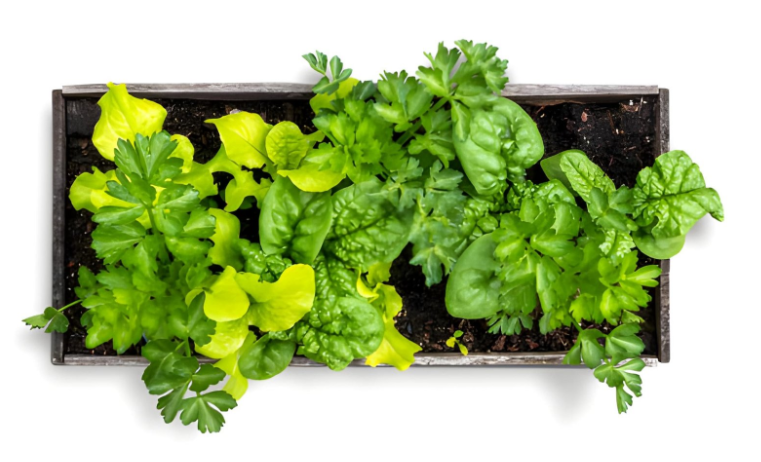
    Growing vegetables in small spaces is one of the easiest ways to enjoy fresh, healthy food at home, even if you do not have a large garden. Whether you live in an apartment, townhouse, or home with a tiny backyard, you can still grow a productive vegetable garden. With the right planning, containers, soil, and plant choices, small-space gardening can provide herbs, leafy greens, tomatoes, peppers, and more throughout the growing season.

    Why Grow Vegetables in Small Spaces?

    Small-space vegetable gardening is affordable, rewarding, and practical. It allows you to grow fresh produce close to your kitchen, Trang chủ Ga6789 reduce grocery costs, and control how your food is grown. You do not need acres of land or expensive equipment. A balcony, patio, windowsill, raised bed, or small corner of a yard can become a productive garden.

    Another benefit is convenience. When vegetables are growing just outside your door, you are more likely to use them in everyday meals. Fresh lettuce, basil, cherry tomatoes, and green onions can be harvested as needed, reducing waste and improving flavor.

    Choose the Right Location

    The first step in growing vegetables in small spaces is choosing the best location. Most vegetables need at least six hours of direct sunlight each day. Fruiting plants such as tomatoes, cucumbers, peppers, and beans usually need the most sun. Leafy greens like lettuce, spinach, kale, and arugula can tolerate partial shade.

    Observe your space throughout the day. Notice where sunlight falls in the morning, afternoon, and evening. A sunny balcony, south-facing window, rooftop, porch, or small patio can work well. If your space receives limited sunlight, choose shade-tolerant crops or consider using grow lights indoors.

    Use Containers for Maximum Flexibility

    Container gardening is one of the best methods for growing vegetables in small spaces. Pots, buckets, grow bags, window boxes, hanging baskets, and railing planters can all be used to grow food. Containers are easy to move, rearrange, and manage.

    Choose containers with drainage holes to prevent waterlogged soil. The size of the container depends on the vegetable. Lettuce, herbs, radishes, and green onions can grow in shallow containers. Tomatoes, peppers, eggplants, and cucumbers need deeper pots with more room for roots.

    A five-gallon container is ideal for many larger vegetables. Grow bags are also excellent because they provide good drainage and airflow to plant roots.

    Select the Best Vegetables for Small Spaces

    Choosing compact, fast-growing, and high-yield crops is important for a successful small-space vegetable garden. Some of the best vegetables for small spaces include:

    – Lettuce

    – Spinach

    – Kale

    – Swiss chard

    – Radishes

    – Green onions

    – Carrots

    – Bush beans

    – Cherry tomatoes

    – Peppers

    – Herbs such as basil, parsley, mint, and cilantro

    Look for seed packets or plant labels that mention “compact,” “dwarf,” “bush,” or “patio” varieties. These plants are bred to grow well in containers and limited spaces.

    Avoid large sprawling plants unless you have vertical support. For example, vining cucumbers or pole beans can work in small gardens if trained up a trellis.

    Grow Vertically to Save Space

    Vertical gardening is a smart way to grow more vegetables in a small area. Instead of allowing plants to spread across the ground, train them upward using trellises, stakes, cages, or wall-mounted planters.

    Vegetables that grow well vertically include cucumbers, pole beans, peas, tomatoes, and some squash varieties. Vertical gardening improves airflow, reduces disease, and makes harvesting easier.

    You can also use shelves or tiered plant stands to create multiple growing levels. Hanging baskets are useful for herbs, strawberries, and trailing vegetables. By using vertical space, even a tiny patio can become a productive vegetable garden.

    Improve Soil Quality

    Healthy soil is essential for growing vegetables in small spaces. Do not use ordinary garden soil in containers because it can become compacted and drain poorly. Instead, use a high-quality potting mix designed for vegetables.

    A good potting mix should be light, well-draining, and rich in organic matter. You can improve it by adding compost, worm castings, or slow-release organic fertilizer. Since container plants depend entirely on the nutrients in their pots, they need regular feeding.

    For raised beds or small garden plots, mix compost into the soil before planting. Good soil helps roots grow strong and supports healthier plants with better harvests.

    Water Consistently

    Small-space vegetable gardens, especially container gardens, dry out faster than traditional garden beds. Check soil moisture often by placing your finger about an inch into the soil. If it feels dry, it is time to water.

    Water deeply until moisture reaches the roots. For containers, water until excess drains from the bottom. Morning watering is best because it gives plants time to absorb moisture before the heat of the day.

    Avoid letting containers sit in standing water. Too much water can cause root rot. Mulching the top of containers with straw, shredded leaves, or compost can help retain moisture.

    Practice Succession Planting

    Succession planting helps you grow more food in a small space. This method means planting new crops as soon as old ones are harvested. For example, after harvesting radishes, you can plant lettuce. When lettuce is finished, you can plant bush beans or herbs.

    Fast-growing vegetables like radishes, spinach, arugula, and baby lettuce are perfect for succession planting. This technique keeps your garden productive for a longer period and makes the most of every container or garden bed.

    Use Companion Planting

    Companion planting can improve growth and help protect vegetables from pests. For example, basil grows well near tomatoes and may help repel insects. Marigolds are often planted near vegetables because they attract beneficial insects and add color to the garden.

    Herbs such as thyme, parsley, dill, and cilantro can attract pollinators and beneficial insects. In small gardens, mixing flowers, herbs, and vegetables can create a healthier and more attractive growing space.

    Manage Pests Naturally

    Even small vegetable gardens can attract pests such as aphids, caterpillars, and whiteflies. Check plants regularly for signs of damage. Early detection makes pest control easier.

    Remove pests by hand when possible. Use a strong spray of water to knock aphids off leaves. Neem oil or insecticidal soap can help manage many common garden pests. Encourage beneficial insects like ladybugs and bees by growing flowers and herbs nearby.

    Healthy plants are more resistant to pests, so proper watering, sunlight, and soil care are important.

    Harvest Often

    Regular harvesting encourages many vegetables to keep producing. Pick leafy greens when leaves are young and tender. Harvest herbs frequently to promote bushy growth. Pick tomatoes, peppers, beans, and cucumbers when they are ripe to encourage more fruit.

    Do not wait too long to harvest, especially in a small garden. Overripe vegetables can slow production and attract pests.

    Final Thoughts

    Growing vegetables in small spaces is possible, productive, and enjoyable. With containers, vertical gardening, quality soil, and smart plant choices, you can create a thriving vegetable garden almost anywhere. Whether you have a balcony, patio, windowsill, or tiny backyard, small-space gardening allows you to enjoy fresh, homegrown food Đại lý Ga6789 all season long. Start with a few easy vegetables, learn as you grow, and expand your garden over time.

  • Hello world!

    Welcome to WordPress. This is your first post. Edit or delete it, then start writing!