Growing Vegetables in Small Spaces
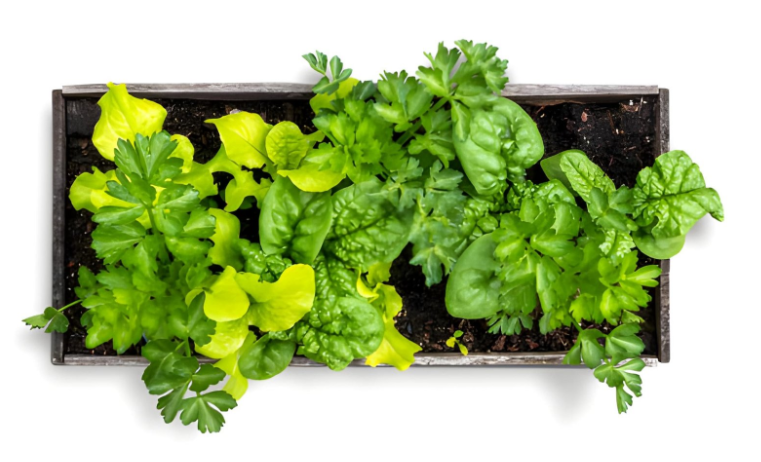
Growing vegetables in small spaces is one of the easiest ways to enjoy fresh, healthy food at home, even if you do not have a large garden. Whether you live in an apartment, townhouse, or home with a tiny backyard, you can still grow a productive vegetable garden. With the right planning, containers, soil, and plant choices, small-space gardening can provide herbs, leafy greens, tomatoes, peppers, and more throughout the growing season.
Why Grow Vegetables in Small Spaces?
Small-space vegetable gardening is affordable, rewarding, and practical. It allows you to grow fresh produce close to your kitchen, Trang chủ Ga6789 reduce grocery costs, and control how your food is grown. You do not need acres of land or expensive equipment. A balcony, patio, windowsill, raised bed, or small corner of a yard can become a productive garden.
Another benefit is convenience. When vegetables are growing just outside your door, you are more likely to use them in everyday meals. Fresh lettuce, basil, cherry tomatoes, and green onions can be harvested as needed, reducing waste and improving flavor.
Choose the Right Location
The first step in growing vegetables in small spaces is choosing the best location. Most vegetables need at least six hours of direct sunlight each day. Fruiting plants such as tomatoes, cucumbers, peppers, and beans usually need the most sun. Leafy greens like lettuce, spinach, kale, and arugula can tolerate partial shade.
Observe your space throughout the day. Notice where sunlight falls in the morning, afternoon, and evening. A sunny balcony, south-facing window, rooftop, porch, or small patio can work well. If your space receives limited sunlight, choose shade-tolerant crops or consider using grow lights indoors.
Use Containers for Maximum Flexibility
Container gardening is one of the best methods for growing vegetables in small spaces. Pots, buckets, grow bags, window boxes, hanging baskets, and railing planters can all be used to grow food. Containers are easy to move, rearrange, and manage.
Choose containers with drainage holes to prevent waterlogged soil. The size of the container depends on the vegetable. Lettuce, herbs, radishes, and green onions can grow in shallow containers. Tomatoes, peppers, eggplants, and cucumbers need deeper pots with more room for roots.
A five-gallon container is ideal for many larger vegetables. Grow bags are also excellent because they provide good drainage and airflow to plant roots.
Select the Best Vegetables for Small Spaces
Choosing compact, fast-growing, and high-yield crops is important for a successful small-space vegetable garden. Some of the best vegetables for small spaces include:
– Lettuce
– Spinach
– Kale
– Swiss chard
– Radishes
– Green onions
– Carrots
– Bush beans
– Cherry tomatoes
– Peppers
– Herbs such as basil, parsley, mint, and cilantro
Look for seed packets or plant labels that mention “compact,” “dwarf,” “bush,” or “patio” varieties. These plants are bred to grow well in containers and limited spaces.
Avoid large sprawling plants unless you have vertical support. For example, vining cucumbers or pole beans can work in small gardens if trained up a trellis.
Grow Vertically to Save Space
Vertical gardening is a smart way to grow more vegetables in a small area. Instead of allowing plants to spread across the ground, train them upward using trellises, stakes, cages, or wall-mounted planters.
Vegetables that grow well vertically include cucumbers, pole beans, peas, tomatoes, and some squash varieties. Vertical gardening improves airflow, reduces disease, and makes harvesting easier.
You can also use shelves or tiered plant stands to create multiple growing levels. Hanging baskets are useful for herbs, strawberries, and trailing vegetables. By using vertical space, even a tiny patio can become a productive vegetable garden.
Improve Soil Quality
Healthy soil is essential for growing vegetables in small spaces. Do not use ordinary garden soil in containers because it can become compacted and drain poorly. Instead, use a high-quality potting mix designed for vegetables.
A good potting mix should be light, well-draining, and rich in organic matter. You can improve it by adding compost, worm castings, or slow-release organic fertilizer. Since container plants depend entirely on the nutrients in their pots, they need regular feeding.
For raised beds or small garden plots, mix compost into the soil before planting. Good soil helps roots grow strong and supports healthier plants with better harvests.
Water Consistently
Small-space vegetable gardens, especially container gardens, dry out faster than traditional garden beds. Check soil moisture often by placing your finger about an inch into the soil. If it feels dry, it is time to water.
Water deeply until moisture reaches the roots. For containers, water until excess drains from the bottom. Morning watering is best because it gives plants time to absorb moisture before the heat of the day.
Avoid letting containers sit in standing water. Too much water can cause root rot. Mulching the top of containers with straw, shredded leaves, or compost can help retain moisture.
Practice Succession Planting
Succession planting helps you grow more food in a small space. This method means planting new crops as soon as old ones are harvested. For example, after harvesting radishes, you can plant lettuce. When lettuce is finished, you can plant bush beans or herbs.
Fast-growing vegetables like radishes, spinach, arugula, and baby lettuce are perfect for succession planting. This technique keeps your garden productive for a longer period and makes the most of every container or garden bed.
Use Companion Planting
Companion planting can improve growth and help protect vegetables from pests. For example, basil grows well near tomatoes and may help repel insects. Marigolds are often planted near vegetables because they attract beneficial insects and add color to the garden.
Herbs such as thyme, parsley, dill, and cilantro can attract pollinators and beneficial insects. In small gardens, mixing flowers, herbs, and vegetables can create a healthier and more attractive growing space.
Manage Pests Naturally
Even small vegetable gardens can attract pests such as aphids, caterpillars, and whiteflies. Check plants regularly for signs of damage. Early detection makes pest control easier.
Remove pests by hand when possible. Use a strong spray of water to knock aphids off leaves. Neem oil or insecticidal soap can help manage many common garden pests. Encourage beneficial insects like ladybugs and bees by growing flowers and herbs nearby.
Healthy plants are more resistant to pests, so proper watering, sunlight, and soil care are important.
Harvest Often
Regular harvesting encourages many vegetables to keep producing. Pick leafy greens when leaves are young and tender. Harvest herbs frequently to promote bushy growth. Pick tomatoes, peppers, beans, and cucumbers when they are ripe to encourage more fruit.
Do not wait too long to harvest, especially in a small garden. Overripe vegetables can slow production and attract pests.
Final Thoughts
Growing vegetables in small spaces is possible, productive, and enjoyable. With containers, vertical gardening, quality soil, and smart plant choices, you can create a thriving vegetable garden almost anywhere. Whether you have a balcony, patio, windowsill, or tiny backyard, small-space gardening allows you to enjoy fresh, homegrown food Đại lý Ga6789 all season long. Start with a few easy vegetables, learn as you grow, and expand your garden over time.